


Pest Control for Facilities Management in East London
Pest control is a essential responsibility for facilities management in East London. As the backbone of property upkeep and tenant satisfaction, facilities management teams must adopt a integrated approach to pest control that balances the needs of the organisation, the well-being of building users, and compliance with legal standards. The diverse nature of managed facilities, combined with high foot traffic and varied building uses, means that even a small pest problem can quickly escalate, impacting operations, reputation, and the bottom line.
RSPH/BPCA certified staff means we provide a safe and professional pest control service



The Division of Responsibility in Pest Control in East London
A foundational aspect of pest control in facilities management is the defined division of responsibility between the facilities management, building users (tenants or staff), and contracted service providers.
Pest control’s Responsibility
Facilities management in East London are typically liable for:
- Pest control in communal and external areas: Including stairwells.
- Infestations caused by structural issues: If pests enter due to disrepair (e.g., holes in walls, cracked windows, faulty drains), the pest control must arrange for repairs and pest treatment.
- Proactive contract management: Many facilities managers maintain service agreements with professional pest control companies for regular inspections and treatments in communal zones.
Occupant or Tenant Responsibility
Occupants (tenants, staff, or users) are generally responsible for:
- Infestations caused by their actions: Poor housekeeping, improper waste disposal, or introducing infested items (e.g., food, furniture) may shift liability for pest control costs.
- Prompt reporting: Tenants and users should report the pest control of pest sightings or issues as soon as possible.
- Cooperation: Occupants must cooperate with access requirements for inspections, treatments, and follow-up actions.
Key Pests and Challenges in Facilities Management
Facility managers in East London encounter a diverse range of pest challenges, including:
- Rodents (Rats and Mice): Attracted to waste, food prep areas, and utility voids. Can cause damage to wiring, structure, and spread disease.
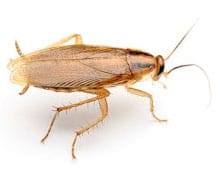
- Cockroaches: Thrive in warm environments such as kitchens, plant rooms, and bin stores. Difficult to eradicate once established.
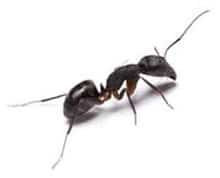
- Ants: Invade kitchens, canteens, and office spaces in search of food and water.
- Flies: Attracted to food waste, drains, and bin areas. Pose health risks in food service and public areas.
- Stored Product Insects (SPIs): Infest dry goods in kitchenettes, staff rooms, or catering facilities.
- Birds (Pigeons, Gulls): Nest on roofs, ledges, and loading docks, causing fouling and potential slip hazards.
- Bed Bugs: Increasingly found in communal rest areas, break rooms, or overnight accommodation within larger facilities.
Strategic Approach to Pest Control in Pest control – FM in East London
Effective pest management in facilities management requires a well-planned approach that incorporates all stakeholders.
Clear Pest Control Policy
A comprehensive pest control policy should:
- Outline roles and responsibilities for pest controls, occupants, and contractors
- Detail which pests and areas are included in the contract/service
- Include processes for reporting, response times, and access arrangements
- Be regularly reviewed with input from pest control partners and building users
Professional Partnership
Facility managers should partner with reputable pest control providers who:
- Understand the unique needs of managed, multi-use facilities
- Provide block-wide or site-wide services, with emergency response capabilities
- Offer audit-ready documentation and digital reporting for compliance
Proactive and Scheduled Service
A proactive approach includes:
- Regular inspections of communal, external, and high-risk internal areas
- Targeted treatments in persistent pest zones
- Block-wide or site-wide coordinated action for large-scale infestations
- Post-incident reviews and updating of risk assessments after significant pest events
Occupant Education and Communication
- Clear Information: Provide occupants with practical pest prevention guidance: waste disposal, food storage, and cleanliness.
- Prompt Communication: When issues are reported, update occupants on actions and timelines, and explain their role in the process.
- Involvement: Encourage occupants to promptly log sightings and cooperate with the pest control process.
Documentation and Compliance
All pest control activities must be meticulously documented, including:
Benefits of a Robust Pest Control Program for Facilities Management in East London
A well-managed pest control program enables facility managers to:
- Safeguard the health, safety, and comfort of building users
- Maintain audit readiness
- Achieve long-term pest management
- Build goodwill with tenants and stakeholders
- Avoid emergency incidents
A transparent approach between facility mangement, pest control professionals, and occupants is essential for effective facility management.
Members of the BPCA and PROMPT
The Pest Technician visiting your home or business will be RSPH/BPCA (Royal Society For Public Health / British Pest Control Association) qualified. Indigo Pest Control are members of the BPCA (British Pest Control Association).
The Pest Controller visiting your home or business will have BPCA – Photo I.D.
The Pest Control Specialists
Pests such as Mice, Rats and Cockroaches can spread diseases by carrying harmful pathogens. Pests like wasps, bedbugs and fleas frequently cause stress and allergies by their presence in the human environment. Squirrels, Rats and Mice can damage properties by gnawing through timbers and wires with their strong rodent teeth. Mice can contaminate working surfaces and food stuffs. Carpet pests including The Common Clothes Moth can cause expensive damage to fabrics. Bird pests including pigeons can cause diseases including Cryptococcosis.
We will prevent, control and solve your pest control emergency. Whether it’s a Squirrel in the attic in Ealing, Wasp nest removal in Wimbledon, a Mouse infestation in Mortlake or a Rat Problem in Richmond, we’ll make sure we leave your home a pest free zone.
Ants
Cockroaches
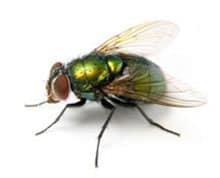
Flies
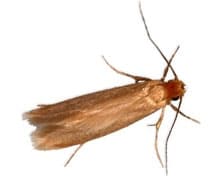
Moths
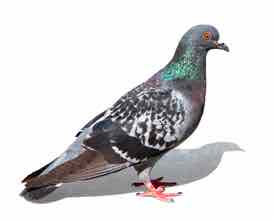
Pigeons
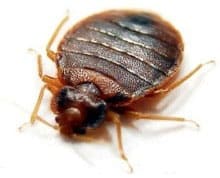
Bedbugs
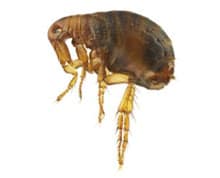
Fleas
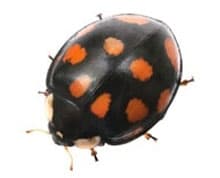
Harlequin Ladybirds
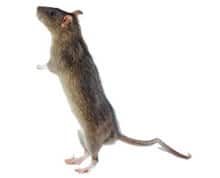
Rats

Squirrels
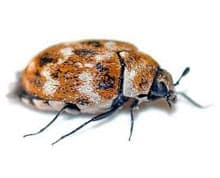
Carpet Beetles
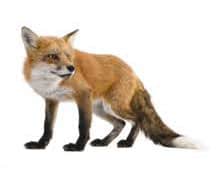
Foxes
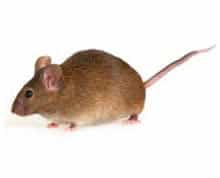
Mice

Silverfish
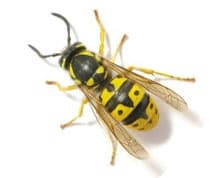
Wasps
Facilities Management
-
How will you integrate your pest control program with our existing East London facilities management system?
A pest control program should not operate in a silo; it must be a seamless part of the overall facilities management system. A professional pest control provider should be able to:
Collaborate with your team to align service schedules with other maintenance activities. -
What level of documentation do you provide to help us meet our compliance and audit requirements?
A professional pest control company will provide comprehensive, audit-ready documentation that goes beyond basic service reports, including:
A detailed, written pest management plan that outlines the strategy and risks.
An up-to-date site map showing all monitoring device locations.
Service reports that detail all findings, actions taken, and specific recommendations for the FM team -
For our East London site, can you provide a preventative program rather than just a reactive service?
The facility manager’s goal is to be proactive, not reactive. An effective pest control program is based on Integrated Pest Management (IPM), which can include pest proofing to prevent future infestations.
-
How will your service help us protect our assets and improve the long-term health of the building?
A pest control program in East London is a long-term investment. A good pest control partner will provide a service that not only eliminates pests but also contributes to the overall health of the building by:
Protecting assets like wiring, pipes, and insulation from pest damage.
Identifying structural issues like cracks, leaks, and ventilation problems that attract pests.
Reducing liability and potential costs associated with pest-related damage and health risks.

Request a consultation – Fill out the form below or call us on 020 8878 6915
"*" indicates required fields
