

Pest Control for Restaurants in South East London
Pest control is an absolutely critical function for any restaurant in South East London. The presence of pests in restaurant not only poses a significant public health risk, but can also lead to business closure for restaurant owners and operators. For every restaurant in South East London, an effective pest control program is non-negotiable for both daily operations and long-term success. Whether you are a catering or a drinks based business, pest management is not something to be missed off the operational checklist.
RSPH/BPCA certified staff means we provide a safe and professional pest control service
Common Pests in Restaurant Environments
The nature of a restaurant in South East London—with open kitchens, food storage areas, and high foot traffic—makes it especially vulnerable to certain pests:
- Rodents (Rats and Mice): Attracted to food waste, rodents can chew through packaging, wires, and building materials, causing fire hazards. They also spread dangerous diseases like Salmonella and Leptospirosis, putting customers and staff at risk.
- Cockroaches: Thrive in warm environments like commercial kitchens. Cockroaches hide in cracks, crevices, and behind equipment, contaminating food and surfaces with bacteria, allergens, and pathogens, leading to health code violations.
- Flies: Fruit Flies are attracted to food waste and garbage. They easily transmit pathogens from dirty areas to food, counters, and utensils, posing a high risk of foodborne illness.
- Stored Product Insects (SPIs): weevils infest dry goods such as flour, grains, rice, and pasta, leading to contamination for restaurant operators.
![Interior of a restaurant in {location]](https://spcdn.shortpixel.ai/spio/ret_img,q_cdnize,to_webp,s_webp/www.indigopestcontrol.co.uk/wp-content/uploads/2026/05/restaurant-pubs-coffee-shops-bars-cafe-pest-control-1.png)
Integrated Pest Management (IPM): The Gold Standard
The best practice for pest control in a restaurant is Integrated Pest Management (IPM)—a proactive, long-term approach that minimizes pesticide use and focuses on prevention. A successful IPM program in South East London should include:
Exclusion (Physical Barriers)
- Sealing Entry Points: Seal all holes in walls, floors, and foundations.
- Door and Window Screens: Fit all openings with fly screens.
- Door Sweeps and Seals: Install brush or rubber strips on entry doors.
- Drains and Vents: Keep drains clean and install screens on all vents in kitchens and prep areas.
Sanitation and Housekeeping
- Rigorous Cleaning: Maintain a documented cleaning schedule for all areas, especially under and behind appliances.
- Proper Waste Management: Store all food waste in sealed bins with tight lids. Empty bins daily and store away from the building exterior.
- Food Storage: Keep all food in pest-proof bins, off the floor and away from walls.
Monitoring and Surveillance
- Monitoring Devices: Place insect light traps in high-risk areas (kitchens, pantries, waste zones).
- Routine Inspections: Schedule regular inspections by a licensed pest management provider.
- Staff Communication: Train employees to spot and report early signs of pest activity.
Treatment Options and Rapid Response
- Rodent Control: Use tamper-resistant bait stations, snap traps, rodent proofing (mesh, bristle strips), and environmental management. Employ tracking dust and gel baits for severe infestations.
- Cockroach Control: Apply gel baits in cracks and crevices, use IGRs (insect growth regulators), and targeted insecticide sprays. Deep cleaning and removing clutter are essential.
- Fly Control: Install UV light traps and fly screens, use attractant baits, and clean drains and waste bins regularly. Treat breeding sites with approved larvicides when necessary.
- SPI Control: Inspect all dry goods deliveries. Remove infested stock, use pheromone traps, and consider fumigation or freezing for severe cases.
- Documentation: Record all pest sightings, treatments, and follow-up actions in a pest management log, with site maps and service reports.
![Interior of a restaurant in {location]](https://spcdn.shortpixel.ai/spio/ret_img,q_cdnize,to_webp,s_webp/www.indigopestcontrol.co.uk/wp-content/uploads/2026/05/restaurant-pubs-coffee-shops-bars-cafe-pest-control-2.png)
Documentation, Audits, and Legal Compliance
Restaurant in South East London must comply with UK regulations:
- Food Safety Act 1990: Requires all food to be safe for consumption, which includes robust pest prevention measures.
- Food Hygiene Regulations 2006: Mandates a documented food safety management system (often HACCP-based) and strict pest control.
- Food Hygiene Rating Scheme: A strong pest control program is essential for high hygiene ratings—pest issues can lower your rating and must be displayed publicly.
Audit-Ready Documentation
- Maintain site plans showing every monitoring device.
- Keep all service reports, pest sighting logs, and inspection records up to date.
- Document all corrective actions and demonstrate due diligence during inspections.
![Photo showing a restaurant in {location]](https://spcdn.shortpixel.ai/spio/ret_img,q_cdnize,to_webp,s_webp/www.indigopestcontrol.co.uk/wp-content/uploads/2026/05/restaurant-pubs-coffee-shops-bars-cafe-pest-control-3.png)
The Value of Professional Pest Control in South East London
- Protects your restaurant reputation
- Prevents fines
- Supports high food hygiene ratings
- Ensures a welcoming environment for guests and staff
- Reduces the risk of outbreaks
For any restaurant in South East London, pest control is not just a reaction, it’s a fundamental pillar of food safety, quality management, and business success. Investing in comprehensive, proactive pest management is the best way to keep your restaurant safe, compliant, and highly rated.
The Nationwide Caterers Association is a useful resource for owners of: Restaurants, Cafés, Coffee Shops, Pubs, Bars and Catering businesses. https://www.ncass.org.uk/
Members of the BPCA and PROMPT
The Pest Technician visiting your home or business will be RSPH/BPCA (Royal Society For Public Health / British Pest Control Association) qualified. Indigo Pest Control are members of the BPCA (British Pest Control Association).
The Pest Controller visiting your home or business will have BPCA – Photo I.D.
The Pest Control Specialists
Pests such as Mice, Rats and Cockroaches can spread diseases by carrying harmful pathogens. Pests like wasps, bedbugs and fleas frequently cause stress and allergies by their presence in the human environment. Squirrels, Rats and Mice can damage properties by gnawing through timbers and wires with their strong rodent teeth. Mice can contaminate working surfaces and food stuffs. Carpet pests including The Common Clothes Moth can cause expensive damage to fabrics. Bird pests including pigeons can cause diseases including Cryptococcosis.
We will prevent, control and solve your pest control emergency. Whether it’s a Squirrel in the attic in Ealing, Wasp nest removal in Wimbledon, a Mouse infestation in Mortlake or a Rat Problem in Richmond, we’ll make sure we leave your home a pest free zone.
Ants
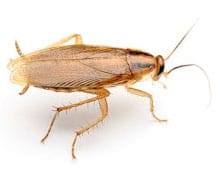
Cockroaches
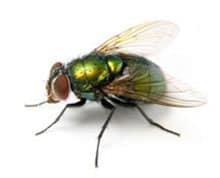
Flies
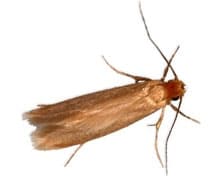
Moths
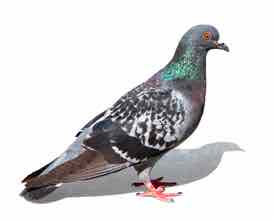
Pigeons
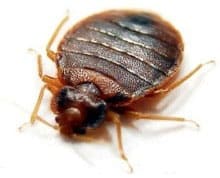
Bedbugs
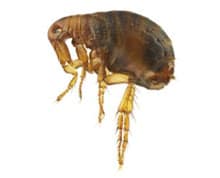
Fleas
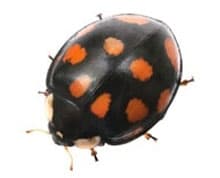
Harlequin Ladybirds
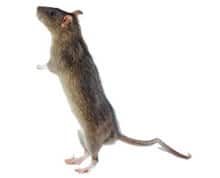
Rats

Squirrels
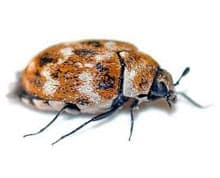
Carpet Beetles
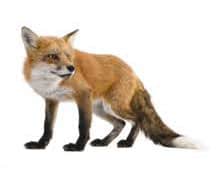
Foxes
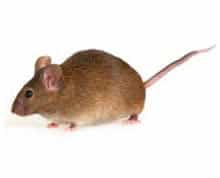
Mice

Silverfish
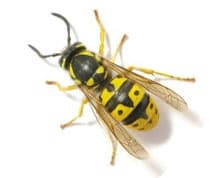
Wasps
Restaurants
-
How often should we have pest control and pest monitoring visits for our South East London business?
Most food establishments require monthly or bi-monthly professional pest control visits to maintain compliance with UK food safety regulations. High-risk areas like kitchens may need more frequent monitoring. Regular visits help prevent infestations and demonstrate due diligence to Environmental Health Officers.
-
What are the legal requirements for pest control in food and beverage businesses in South East London ?
Under the Food Safety Act 1990 and Food Hygiene Regulations, UK food businesses such as; restaurants, cafes, coffee shops, bars, and pubs – must have adequate procedures to control pests. This includes regular inspections, maintaining pest-proofing measures, keeping detailed records of treatments. Failure to comply can result in fines, closure orders, or prosecution.
-
What are the most common pests in restaurants and how do we prevent them?
The most common pests are rodents (rats and mice), cockroaches, flies, and stored product insects. Prevention includes: proper waste management, sealing entry points, maintaining cleanliness, storing food correctly in sealed containers, fixing leaks promptly, and ensuring good ventilation. Staff training on spotting early signs is also crucial.
-
Can you treat for pests, while we're open for business?
Many pest control treatments can be carried out during operating hours using discreet, low-odour methods. However, some treatments (like fogging) require the premises to be closed or completed outside operating hours. Professional pest controllers will work around your schedule, often visiting early morning or late evening to minimize disruption to your business.
-
How much does commercial pest control cost for hospitality venues?
Pest control costs for coffee shops and restaurants will depend on the size of the premises and the level of service the owner wants the pest control company to provide.

Request a consultation – Fill out the form below or call us on 020 8878 6915
"*" indicates required fields
