


Pest Control for The Hospitality Sector – London
Pest control is an absolutely vital function in the hospitality industry in London, which includes bars. The presence of pests can cause significant financial damage, harm your public image, lead to legal action, and pose serious health risks to guests and staff.
RSPH/BPCA certified staff means we provide a safe and professional pest control service

The Unique Challenges of Pest Management Hospitality in London
Hospitality businesses in London are particularly susceptible to pests due to:
- Abundance of Food and Water: food prep zones are a constant source of food waste.
- High Turnover of People: customers and staff continuously bring in deliveries, which can unknowingly introduce pests like bed bugs and cockroaches.
- Complex Infrastructure: large buildings with numerous rooms, pipes, vents, and hidden areas provide ample harbourage for pests.
- Repetitional Risk: A single incident by a guest can go public, damaging your reputation and long-lasting consequences.

Key Pests in Hospitality in London
- Rodents (Mice and Rats): Attracted to food and waste, they can damage property, and contaminate surfaces.
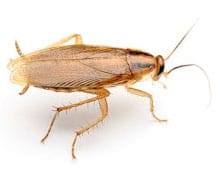
- Cockroaches: Thrive in humid environments like kitchens and bathrooms. Difficult to eradicate, and can spread diseases like Salmonella.
- Bed Bugs: A major concern for hospitality in London, they are easily transported in luggage and clothing. Cause itchy, painful bites and are notoriously difficult to eradicate.
- Flies: Attracted to food and waste and can contaminate food to surfaces.
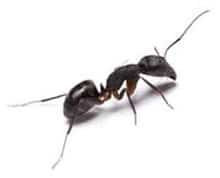
- Ants: frequent invaders, entering buildings in search of food and water.
- Stored Product Insects: moths can infest dry goods, grains, and packaging, leading to loss.

Integrated Pest Management (IPM) in Hospitality for London
The most effective strategy for pest control in hospitality in London is a preventive approach based on IPM. This method focuses on long-term control, with chemical treatments used only when necessary.
Sanitation and Housekeeping
- Strict Cleaning Schedules: Maintain a rigorous cleaning schedule for all areas, especially dining areas.
- Proper Food Storage: Store all food and beverages in airtight containers, off the floor, and away from walls.
- Moisture Control: Fix leaks, mop up spills, and keep floors dry to reduce pest attraction.
Staff Training and Awareness
- All employees should be trained to understand pest risks, spot early signs of pest activity (e.g., droppings, gnaw marks, or live insects), and know the proper escalation protocols.
- Display “see it, report it” in staff areas.
Monitoring and Surveillance
- Monitoring Devices: Place snap traps strategically in high-risk areas like kitchens, basements, and staff break rooms.
- Regular Inspections: Schedule professional pest control inspections to check monitoring devices and look for new signs.
Rapid and Discreet Response
- Emergency Protocols: Partner with a professional pest control company in London for effective response to any pest emergency.
- Isolation and Treatment: Any kitchen with pest activity should be immediately taken out of service. Conduct a thorough inspection and treatment, and if needed, relocate guests.
Treatment Options for hospitality in London
Rodent Control
- discreet bait stations and traps placed throughout the hospitality site in London.
- mesh screens on all entry points.
- Regular monitoring and inspection for signs of activity.
Cockroach Treatment
- Gel baits|targeted sprays in kitchens, cracks, and crevices.
- Deep cleaning, removal of harbourages, and sanitation.
- Heat or steam treatments for appliances or furnishings.
Bed Bug Control
- heat remediation for infested rooms.
- Targeted insecticide application around beds and soft furnishings.
- Mattress encasements, vacuuming, and laundering.
Fly Control
- electronic fly killers in all food and refuse zones.
- Exclusion screens, door curtains, and waste management.
- Elimination of breeding sites and regular cleaning of drains and bins.
Ant Control
- liquid ant bait in kitchens and food storage.
- Perimeter treatments and sealing entry points.
- Removal of food attractants.
Stored Product Insect (SPI) Control
- Inspection and removal of infested stock.
- Deep cleaning and rotation of dry goods.
- Pheromone and pitfall traps for monitoring.
Legal and Regulatory Compliance in hospitality for London
In the UK, hospitality businesses in London must comply with several key pieces of legislation, including:
- Food Safety Act 1990: Requires businesses to ensure that food is safe for consumption, including full pest prevention.
- Food Hygiene Regulations 2006: Sets out the requirement for robust pest management and food protection.
- Health and Safety at Work etc. Act 1974: Places a duty on employers to provide a safe environment for guests and staff, including pest control.
- Local Authority Inspections: Environmental Health Officers may inspect hospitality sites in London at any time. Non-compliance can lead to fines.
Benefits of Professional Pest Control in hospitality in London
- Maintains hygiene ratings
- Protects your public image
- Prevents guest complaints
- Ensures a safe environment for guests and staff
- Reduces the risk of costly recalls
- Supports audit readiness and business growth
For hospitality pest control in London, a comprehensive, prevention-focused, and fully documented program is the best way to protect your business—and keep your site pest-free, safe, and highly rated.
Click for more information on the UK hospitality industry:
The Voice of Hospitality
Members of the BPCA and PROMPT
The Pest Technician visiting your home or business will be RSPH/BPCA (Royal Society For Public Health / British Pest Control Association) qualified. Indigo Pest Control are members of the BPCA (British Pest Control Association).
The Pest Controller visiting your home or business will have BPCA – Photo I.D.
The Pest Control Specialists
Pests such as Mice, Rats and Cockroaches can spread diseases by carrying harmful pathogens. Pests like wasps, bedbugs and fleas frequently cause stress and allergies by their presence in the human environment. Squirrels, Rats and Mice can damage properties by gnawing through timbers and wires with their strong rodent teeth. Mice can contaminate working surfaces and food stuffs. Carpet pests including The Common Clothes Moth can cause expensive damage to fabrics. Bird pests including pigeons can cause diseases including Cryptococcosis.
We will prevent, control and solve your pest control emergency. Whether it’s a Squirrel in the attic in Ealing, Wasp nest removal in Wimbledon, a Mouse infestation in Mortlake or a Rat Problem in Richmond, we’ll make sure we leave your home a pest free zone.
Ants
Cockroaches
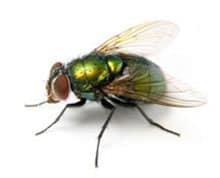
Flies
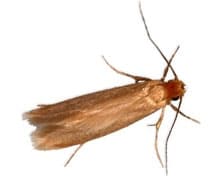
Moths
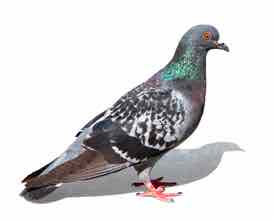
Pigeons
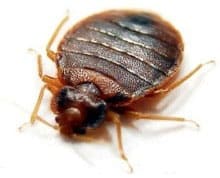
Bedbugs
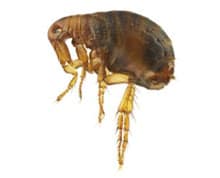
Fleas
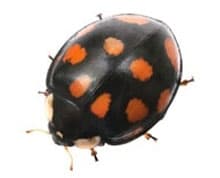
Harlequin Ladybirds
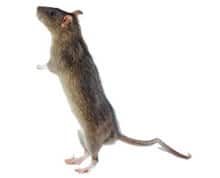
Rats

Squirrels
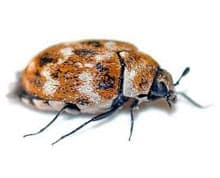
Carpet Beetles
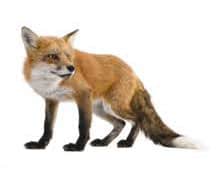
Foxes
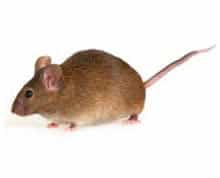
Mice

Silverfish
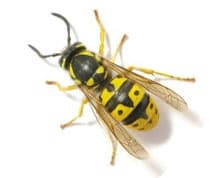
Wasps
Hospitality
-
1. How will you handle bed bugs in a London hospitality setting, and what is your protocol for working in guest rooms?
Bed bugs are arguably the single most damaging pest for a hotel’s reputation. A professional pest control provider should have a specific, highly effective protocol for bed bugs that includes:
Inspection: A thorough inspection to identify the extent of the infestation.
Targeted Treatment: Use of methods like heat treatments (a highly effective, non-chemical option) or targeted chemical applications to kill all life stages of the bed bug.
Rapid Response: A plan to immediately take the affected room out of service and begin treatment to prevent the infestation from spreading.
Discretion: All work must be performed with the utmost discretion to avoid alarming guests. -
2. How will you ensure your services are discreet and do not disrupt our guests?
Discretion is paramount to protecting the guest experience. A reputable pest control provider will work to protect your brand by:
Scheduling services during off-hours, when guest traffic is at a minimum.
Using unmarked vehicles and discreet uniforms.
Establishing a clear communication protocol with hotel or restaurant management so that all staff are aware of the service without causing alarm.
Providing a rapid, discreet response for any pest sighting that occurs during business hours. -
3. What is your strategy for managing pests in our hospitality kitchen and food service areas?
Kitchens and food storage are high-risk areas. A professional pest control provider must have a comprehensive plan that includes:
Exclusion: Sealing all cracks, gaps, and holes in walls, floors, and around pipes to prevent pest entry.
Monitoring: Strategic placement of non-toxic monitoring devices, such as insect light traps and bait stations, to detect pests early.
Sanitation Advice: Providing guidance on proper waste management, cleaning schedules, and food storage to eliminate pest attractants. -
4. What kind of documentation and reporting do you provide for our audits and compliance?
Hospitality businesses are subject to strict health and safety regulations. A professional pest control company should provide comprehensive, audit-ready documentation, including:
A detailed, written pest management plan.
An up-to-date site map showing all monitoring device locations.
Service reports after every visit, outlining findings, actions taken, and recommendations for improvement.
Pest activity logs that can be used to track trends and demonstrate a proactive approach to pest management. -
5. What role do our employees play in the pest management program?
A successful pest control program is a collaborative effort. A good pest control partner will:
Provide training for employees (especially housekeeping and kitchen staff) on how to identify common pests and what to do if they spot them.
Empower staff to report any pest sightings immediately through a clear communication protocol.
Make recommendations for continuous improvements to the building’s infrastructure and housekeeping.
Collaborate on a shared strategy that combines professional expertise with on-site vigilance to ensure a pest-free environment.
Request a consultation – Fill out the form below or call us on 020 8878 6915
"*" indicates required fields
