



Comprehensive Pest Control for Hotels in Brent
Pest control is an vital function for hotels in Brent. The presence of pests can cause devastating financial damage, destroy a brand’s reputation, lead to regulatory penalties, and pose serious health risks to guests and staff. For these reasons, a proactive pest management program is fundamental.
RSPH/BPCA certified staff means we provide a safe and professional pest control service
Key Pests and Risk Areas in Hotels
Hotels are highly vulnerable to a wide spectrum of pests because of their abundance of food and water sources.
Bed Bugs
- Possibly the most damaging pest for a hotels reputation.
- Travel easily, arriving on guests’ luggage and clothing.
- Can spread rapidly between rooms, causing unpleasant bites and leading to viral negative reviews or potential lawsuits.
- High-Risk Areas: Guest rooms, mattresses, bed frames, sofas, luggage storage areas.
Rodents (Mice and Rats)
- Attracted to food in breakfast areas.
- Can gnaw on electrical wiring, creating property damage.
- Contaminate surfaces with droppings and urine, spreading Leptospirosis.
- High-Risk Areas: Kitchens, food storage rooms, basements, laundry rooms, waste disposal areas.
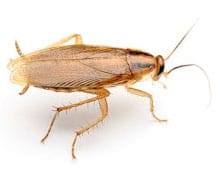
Cockroaches
- A major health risk, thriving in food-rich environments.
- Crevices, contaminating food and surfaces with harmful bacteria.
- High-Risk Areas: Kitchens, food prep areas, staff break rooms, laundry rooms.
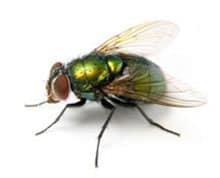
Flies
- Persistently attracted by food, high traffic, and waste.
- Can carry and transmit pathogens to food and surfaces, creating a major health concern.
- High-Risk Areas: Kitchens, dining areas, bars, waste disposal zones.

The Standard Approach: Integrated Pest Management (IPM) for Hotels in Brent
The gold standard strategy for hotels is a holistic approach based on Integrated Pest Management (IPM). This strategy focuses on prevention over routine chemical treatments.
Prevention and Exclusion
- Physical Proofing: Regularly check and seal all cracks in floors.
- Proper Waste Management: Store all waste in pest-proof bins with tight-fitting lids and empty them regularly.
- Strict Sanitation: Maintain a rigorous cleaning schedule throughout the property – especially in kitchens, dining areas, and guest rooms.
- Employee Training: Ensure all staff, especially maintenance, are trained to recognize early signs of pest activity.
Monitoring and Surveillance
- Professional Partnership: Partner with a experienced pest control company familiar with the hospitality sector in Brent.
- Strategic Device Placement: Place rodent bait stations discreetly in high-risk areas to detect pest activity early.
- Routine Inspections: Schedule regular inspections both inside and outside the premises.
Rapid and Discreet Response
- Develop a clear procedure for responding to pest sightings.
- Ensure pest control partners offer rapid and discreet response to emergencies.
- Take any affected guest room out of service for certified inspection and treatment.

Consequences of Poor Pest Management in Hotels in Brent
- Reputation Damage: A single pest sighting, especially bed bugs, can be shared on social media and travel sites, leading to significant loss of trust and a loss in bookings.
- Financial Loss: Infestations can result in rooms being taken out of service, costly treatments, lost revenue, and potential lawsuits from guests.
- Legal and Regulatory Fines: Hotelss have a legal obligation to provide a safe environment. Failure to comply can lead to fines, legal action, or even suspension by a local health authority.

Members of the BPCA and PROMPT
The Pest Technician visiting your home or business will be RSPH/BPCA (Royal Society For Public Health / British Pest Control Association) qualified. Indigo Pest Control are members of the BPCA (British Pest Control Association).
The Pest Controller visiting your home or business will have BPCA – Photo I.D.
The Pest Control Specialists
Pests such as Mice, Rats and Cockroaches can spread diseases by carrying harmful pathogens. Pests like wasps, bedbugs and fleas frequently cause stress and allergies by their presence in the human environment. Squirrels, Rats and Mice can damage properties by gnawing through timbers and wires with their strong rodent teeth. Mice can contaminate working surfaces and food stuffs. Carpet pests including The Common Clothes Moth can cause expensive damage to fabrics. Bird pests including pigeons can cause diseases including Cryptococcosis.
We will prevent, control and solve your pest control emergency. Whether it’s a Squirrel in the attic in Ealing, Wasp nest removal in Wimbledon, a Mouse infestation in Mortlake or a Rat Problem in Richmond, we’ll make sure we leave your home a pest free zone.
Ants
Cockroaches
Flies
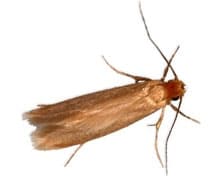
Moths
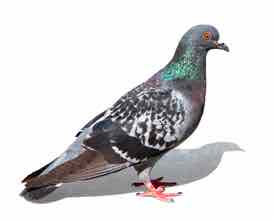
Pigeons
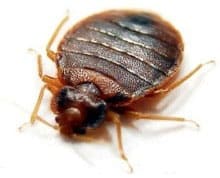
Bedbugs
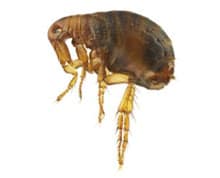
Fleas
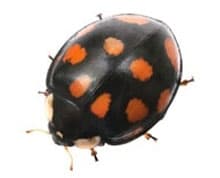
Harlequin Ladybirds
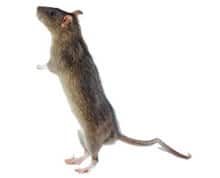
Rats

Squirrels
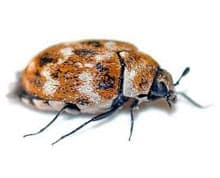
Carpet Beetles
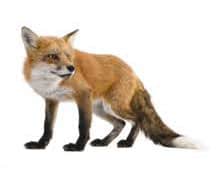
Foxes
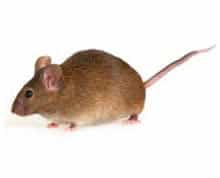
Mice

Silverfish
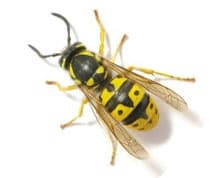
Wasps
Hotels
-
Which pests are most commonly found in Brent hotels?
Hotels can attract a variety of pests, particularly because of the constant movement of guests and the presence of food and laundry areas. Some of the most common pests include:
- Bed bugs, often carried in on luggage or clothing
- Cockroaches, which are attracted to food and warm environments
- Rodents, such as rats and mice, that enter through small gaps in buildings
- Flies, especially around food service and waste areas
- Fleas and carpet moths, which may infest carpets, fabrics, and soft furnishings
Bed bugs are one of the biggest concerns for hotels because they can spread quickly between rooms and usually require professional treatment to remove completely.
-
How frequently should hotels arrange pest control inspections?
In the hospitality sector, regular pest control visits are an important part of maintaining hygiene standards. Many hotels in London arrange monthly or every two-month inspections, although the frequency can vary based on factors such as:
- The size of the property
- The number of guests staying at the hotel
- Whether the hotel has restaurants or food preparation areas
- Previous pest activity on the premises
Routine inspections allow pest professionals to identify potential problems early and help hotels remain compliant with health and safety regulations.
-
Can hotels in Brent face penalties for pest infestations?
Yes, hotels can face enforcement action if pest infestations are not properly managed. Under UK public health and food safety regulations, businesses may be subject to:
- Financial penalties or fines
- Improvement or enforcement notices from authorities
- Temporary closure until the issue is resolved
These actions are more likely when pests are discovered in areas such as kitchens, dining spaces, guest rooms, or shared facilities, as they can pose risks to both hygiene and public health.
-
What early indicators suggest a pest problem in a hotel?
Detecting pest activity early can prevent a small issue from becoming a major infestation. Some common warning signs include:
- Small bites or blood spots on bedding, which may indicate bed bugs
- Rodent droppings or chewing marks on materials or food packaging
- Unusual or musty smells in cupboards, storage areas, or rooms
- Increased presence of flies, ants, or other insects near bins or kitchens
- Guest reports or staff sightings of pests
Recognising these signs quickly allows hotels to take action before pests spread to other areas of the property.
-
What steps can hotels in Brent take to prevent pest infestations?
Preventing pests is far easier than dealing with an established infestation. Hotels can reduce the risk by implementing several key measures:
- Scheduling routine pest control inspections and monitoring
- Maintaining strict food storage and waste disposal practices
- Sealing gaps and entry points around pipes, doors, and ventilation systems
- Providing staff training so employees can identify early pest activity
- Partnering with a professional pest management company
Request a consultation – Fill out the form below or call us on 020 8878 6915
"*" indicates required fields
