



Housing Association Pest Control in Caterham
Housing associations and social housing providers in Caterham face a range of pest management challenges that require professional, responsive, and compliant solutions. High-density housing, shared communal areas, ageing buildings, and varying tenant circumstances can all contribute to pest activity if effective control measures are not in place.
A professional housing association pest control service in Caterham helps maintain safe, hygienic, and comfortable living environments for residents while protecting property assets and supporting housing management teams. Through a combination of proactive pest management, housing providers can minimise infestations and prevent pests from spreading between properties.
Our specialist pest control services support social landlords across Caterham, delivering reliable pest management solutions tailored specifically for residential housing portfolios.
RSPH/BPCA certified staff means we provide a safe and professional pest control service
Why Pest Control is Essential for Housing Associations in Caterham
Pest infestations can cause a variety of problems within housing association properties. In multi-occupancy buildings such as flats and apartment blocks, pests can easily move between units through shared walls, service ducts, drainage systems, and communal areas.
Without effective management, pest problems may lead to:
- Resident complaints
- Damage to property infrastructure
- Hygiene and public health concerns
- Increased maintenance costs
- Potential reputational damage for housing providers
Housing associations in Caterham therefore require pest control providers that understand the complexities of social housing environments and can deliver long-term prevention strategies.
Common Pest Problems in Housing Association Properties in Caterham
Housing association buildings can attract a wide range of pests due to the availability of food, shelter, and warmth. Below are some of the most frequently encountered pests in residential housing across Caterham.

Rodents – Rats and Mice
sewer rats and small rodents are among the most common pest problems in housing association properties.
Rodents can enter buildings through very small gaps around pipes, drains, vents, and structural defects. Once inside, they often nest within wall cavities, loft spaces, service ducts, or storage areas.
Common signs of rodent activity include:
- Droppings in cupboards or along skirting boards
- Scratching noises in walls or ceilings
- Gnawed wires, insulation, or wood
- Grease marks along walls or floors
Rodents pose serious safety hazards, as they can contaminate food surfaces and damage electrical wiring. Rapid professional pest control intervention is essential to prevent infestations spreading throughout residential blocks.
Bed Bugs in Residential Housing
Bed bugs are an increasing concern within multi-occupancy housing in Caterham.
These small parasitic insects feed on human blood and typically hide in:
- Mattresses and bed frames
- Upholstered furniture
- Cracks and crevices in walls
- Behind headboards and skirting boards
Bed bugs often spread through luggage.
If untreated, infestations can quickly spread to neighbouring flats, making early detection and professional treatment essential.

Cockroach Infestations
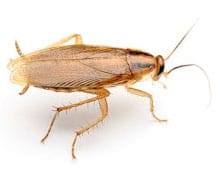
German cockroaches are commonly found in warm environments such as kitchens, boiler rooms, and refuse areas.
Cockroaches are considered a serious hygiene pest because they can spread bacteria and contaminate food surfaces. Their presence can also trigger allergies and asthma in some residents.
Signs of cockroach activity may include:
- Small droppings or smear marks
- Musty or unpleasant odours
- Shed skins or egg cases
- Sightings during the evening or night
Professional pest control is often required to fully eliminate cockroach infestations in residential buildings.
Ant Infestations
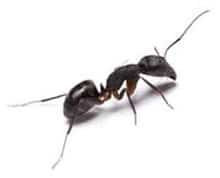
Ants are a frequent nuisance pest in housing association properties during summer.
Species such as black garden ants often enter homes searching for food and sugary substances.
While small infestations may appear harmless, larger ant colonies can become difficult to manage across multiple properties within a residential estate.
Professional pest control treatments help locate the source of the infestation and eliminate the colony effectively.
Fleas and Biting Insects
Flea infestations may occur where wildlife are present.
Fleas can quickly spread through carpets, bedding, and soft furnishings, causing discomfort for residents through bites and skin irritation.
In housing association properties, fleas may also spread between adjacent flats, requiring specialist treatment to eliminate the infestation.
Wasps and Seasonal Pest Problems
During the warmer months, wasps may build nests within:
- Roof spaces
- Loft voids
- Wall cavities
- Garages and sheds
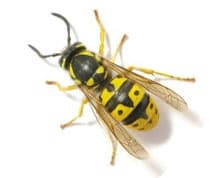
Wasp nests can present a safety risk for residents, particularly in family housing or properties with vulnerable occupants.
Professional pest control technicians can safely remove nests and minimise the risk of stings or further pest activity.
Pest Control Challenges in Social Housing
Housing associations in Caterham often face unique pest management challenges compared to other sectors.
Common difficulties include:
- High-density housing
- Shared waste and refuse storage areas
- Limited property access for inspections or treatments
- Structural defects in older buildings
- Pest migration between adjoining properties
Because of these challenges, housing associations require coordinated pest control services that address pest issues across entire residential developments.
Housing Association Pest Control Services in Caterham
A professional pest control company supporting housing providers in Caterham can offer a wide range of services designed specifically for the housing sector.
Reactive Pest Control Treatments
Fast response pest treatments are essential when infestations are reported by residents or housing officers.
Typical reactive treatments include:
- mouse control
- Bed bug treatments
- Cockroach control
- Ant treatments
- Flea treatments
- Wasp nest removal
Rapid response services help prevent pests spreading between neighbouring properties.
Planned Pest Management Programmes
Many housing associations benefit from planned pest management programmes designed to prevent infestations before they occur.
These programmes may include:
- Routine pest inspections
- Monitoring stations for rodents and insects
- Preventative treatments
- Pest activity reports for housing managers
- Risk assessments for communal areas
Planned pest management helps maintain hygienic housing environments.
Pest Proofing and Prevention
Preventative pest proofing is an important part of long-term pest control within housing association properties.
This may involve identifying and addressing structural defects that allow pests to enter buildings.
Common pest proofing measures include:
- Sealing gaps around pipes and utilities
- Installing rodent proofing materials
- Improving waste storage areas
- Drain inspections and repairs
- Structural maintenance advice
Prevention is often the most long-term way to reduce pest activity.
Support for Housing Officers and Residents
Effective pest control within social housing requires cooperation between residents. Further industry information is available from National Housing Federation – https://www.housing.org.uk/
Professional pest control companies often provide support through:
- Resident pest awareness guidance
- Advice on waste management and hygiene
- Reporting procedures for infestations
- Recommendations for preventing pest activity
Education and awareness can significantly reduce repeat infestations.
Professional Housing Association Pest Control in Caterham
Housing associations require pest control services that are experienced in managing pest issues within residential communities.
Working with a specialist pest control provider in Caterham ensures that infestations are handled quickly, safely, and professionally while protecting both residents and property assets.
From single property treatments to large-scale estate pest management programmes, professional pest control services help housing providers maintain resident satisfaction.
Members of the BPCA and PROMPT
The Pest Technician visiting your home or business will be RSPH/BPCA (Royal Society For Public Health / British Pest Control Association) qualified. Indigo Pest Control are members of the BPCA (British Pest Control Association).
The Pest Controller visiting your home or business will have BPCA – Photo I.D.
The Pest Control Specialists
Pests such as Mice, Rats and Cockroaches can spread diseases by carrying harmful pathogens. Pests like wasps, bedbugs and fleas frequently cause stress and allergies by their presence in the human environment. Squirrels, Rats and Mice can damage properties by gnawing through timbers and wires with their strong rodent teeth. Mice can contaminate working surfaces and food stuffs. Carpet pests including The Common Clothes Moth can cause expensive damage to fabrics. Bird pests including pigeons can cause diseases including Cryptococcosis.
We will prevent, control and solve your pest control emergency. Whether it’s a Squirrel in the attic in Ealing, Wasp nest removal in Wimbledon, a Mouse infestation in Mortlake or a Rat Problem in Richmond, we’ll make sure we leave your home a pest free zone.
Ants
Cockroaches
Flies
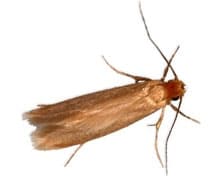
Moths
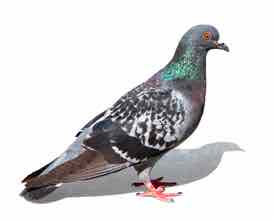
Pigeons
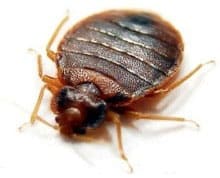
Bedbugs
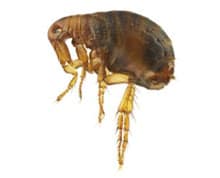
Fleas
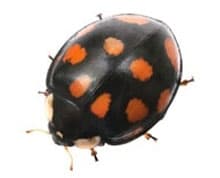
Harlequin Ladybirds
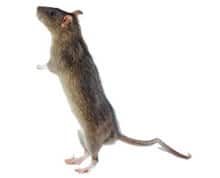
Rats

Squirrels
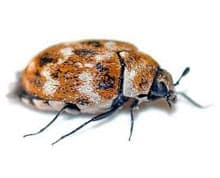
Carpet Beetles

Foxes
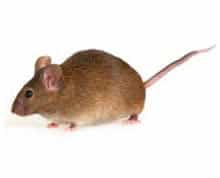
Mice

Silverfish
Wasps
Housing Association
-
Who is responsible for pest control in housing association homes?
Responsibility for pest control in housing association properties is often shared between the tenant and the housing provider.
In many cases, tenants are expected to take reasonable steps to prevent pest problems within their home. This may include maintaining good hygiene, managing waste properly, and reporting issues early.
Housing associations may take responsibility for pest control where the infestation is linked to structural problems, communal areas, or defects in the building. In some situations, particularly where multiple properties are affected, the landlord may arrange professional pest treatment to resolve the issue across the building.
-
What should tenants do if they discover pests in their property?
If pests are discovered in a housing association property, the first step is to report the issue to the landlord or housing management team as soon as possible.
Tenants should provide as much information as possible, such as:
The type of pest seen
Where the activity has been noticed
When the problem started
Any signs such as droppings, bites, or damage
Early reporting helps housing providers assess the situation quickly and determine whether a professional pest control treatment is required.
-
Which pests are most commonly found in housing association properties?
Residential housing across the UK can experience a range of pest problems. Some pests are more common in social housing environments due to shared walls, communal facilities, and building age.
Frequently reported pests include:
Rats and mice
Bed bugs
Cockroaches
Fleas
Ants
Wasps
These pests are often attracted by sources of food, warmth, shelter, and waste, and they may move between neighbouring properties if not controlled quickly.
-
Do housing associations cover the cost of pest control?
Whether pest control costs are covered by the housing association depends on the circumstances of the infestation.
Housing providers may arrange and pay for treatment if the pest problem is related to building defects, drainage issues, or activity within communal spaces. They may also intervene when infestations affect several properties within the same building.
However, if the pest issue is believed to be caused by conditions within the property itself, tenants may sometimes be asked to arrange pest control independently.
Each housing provider may have slightly different policies, so it is important for tenants to check their tenancy agreement or contact their housing officer for guidance.
-
How can tenants reduce the risk of pests in their homes?
Preventing pest problems often starts with simple household practices. Residents can reduce the risk of infestations by:
Keeping kitchens and food preparation areas clean
Storing food in sealed containers
Removing rubbish regularly and keeping bin lids closed
Reporting holes, cracks, or gaps that could allow pests to enter
Avoiding clutter that can provide hiding places for pests
Taking preventative steps can make properties less attractive to pests and help stop small problems from becoming larger infestations.

Request a consultation – Fill out the form below or call us on 020 8878 6915
"*" indicates required fields
