


Comprehensive Pest Control for Retail sites in London
Pest control and monitoring is a vital aspect of ensuring a safe environment within the retail site sector in London. Retail site stores, warehouses, and distribution centers are especially vulnerable to pest problems due to several unique factors: a constant influx of goods, frequent opening of loading docks, and (in the case of supermarkets and food retail sites) the consistent presence of food products. A single pest infestation in any retail site site in London can result in substantial financial losses, lasting reputational harm, and major health and safety violations, making robust pest management a non-negotiable priority.
RSPH/BPCA certified staff means we provide a safe and professional pest control service
Types of retail site that could require pest control and monitoring services:
- High Street
- Town Centre
- City Centre
- Shopping Centre / Mall
- Retail Park
- Shopping Park
- Local Centre
- Neighbourhood Centre
- District Centre
- Regional Centre
- Major Regional Centre
- Outlet Village
- Standalone Store
- Retail Warehouse
- Supermarket / Hypermarket Site
- Convenience Store Site
- Mixed-Use Development
- Airport Retail
- Railway Station Retail
- Service Station / Motorway Services Retail
- Market Hall
- Covered Market
- Retail Parade
- Garden Centre Retail
- Trade Counter / Trade Park
- Pop-up Retail Site
- Leisure-Retail Destination
- Outlet Centre
- Transit Hub Retail
- Campus Retail (University/Hospital)

Why retail site Environments in London are Susceptible to Pests
Retail sites in London operate with a significant level of openness and activity:
- Frequent Deliveries: Constant shipments increase opportunities for pests to enter retail sites in London.
- Open Access Points: Doors, loading docks, and vents are often left open, providing direct entryways.
- Food and Waste: Supermarkets and stores with staff amenities generate food waste, attracting a variety of pests.
- Large, Complex Spaces: Warehouses and distribution centers have vast floor space, tall ceilings, and multiple storage zones, making monitoring and cleaning more challenging.

Common Pests in retail site Facilities in London
The types of pests encountered in retail sites in London can vary by location, but the most prevalent threats include:
Rodents (Rats and Mice)
- Risks: Attracted by food products, waste, and even non-food items (packaging materials, nesting supplies).
- Damage: Gnawing can destroy wires (fire risk), packaging, shelving, and even structural elements. Rodents also contaminate goods with droppings and urine, spreading diseases such as Salmonella, Hantavirus, and Leptospirosis.
Cockroaches
- Risks: Thrive in storerooms, break rooms, and anywhere with moisture and warmth.
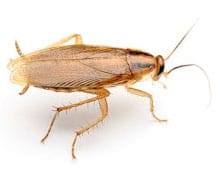
- Damage: Contaminate food, packaging, and surfaces with bacteria (including E. coli and Salmonella), allergens, and unpleasant odors. Cockroaches are famously difficult to eradicate due to their resilience and rapid breeding.
Stored Product Insects (SPIs)
- Types: Includes beetles, weevils, moths, and mites.
- Damage: Infest packaged dry goods such as grains, flour, rice, and cereals, leading to contamination. SPIs often go undetected until significant damage has occurred.
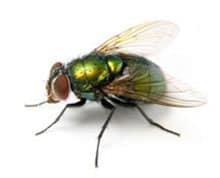
Flies
- Risks: House flies, fruit flies, and drain flies are all common in retail site locations in London, with food departments or waste zones.
- Damage: Flies transmit pathogens by landing on food, surfaces, and packaging. They are also a major nuisance and source of customer complaints.
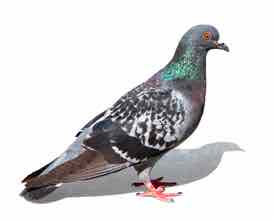
Birds
- Types: Pigeons, sparrows, and starlings are the most common offenders.
- Damage: Birds can roost in warehouses, loading bays, or signage, creating mess (droppings, feathers), noise, and potential slip hazards. Their droppings are a health risk and can corrode building materials.

The Integrated Pest Control Approach for a retail sites in London
Effective pest control in retail site environments in London is not a isolated fix—it is a continuous process rooted in the principles of Integrated Pest Management (IPM). This approach combines exclusion, monitoring, and targeted intervention to achieve sustained pest suppression while minimizing chemical use and disruption to business operations.
Exclusion and Proofing
- Building Maintenance: Conduct frequent, thorough inspections of the building exterior and interior for cracks, gaps, or weaknesses. All identified entry points should be promptly sealed with appropriate materials (steel wool).
- Loading Dock Management: Loading docks are a major vulnerability. Keep dock doors closed whenever not actively in use. Consider installing dock shelters or inflatable dock seals to block gaps when deliveries are being made.
- Physical Barriers: Fit doors with sweeps and brush strips, use air curtains in high-traffic entrances, and install insect screens on windows and vents. These barriers physically deter pests from gaining entry.
Sanitation and Housekeeping - Rigorous Cleaning Schedules: Implement strict, documented cleaning protocols for all areas—sales floor, storerooms, staff rooms, and food storage/preparation zones. Focus on hard-to-reach spots (under shelving, behind equipment, inside display units) where debris and spills accumulate.
- Proper Waste Management: All trash should be kept in pest-proof containers and emptied daily. Waste storage areas should be located away from the building and cleaned regularly to prevent attractants.
- Product Storage: Store goods off the floor and away from walls to facilitate cleaning and regular inspections. Rotate stock (first-in, first-out) and promptly remove expired, damaged, or infested products to break pest breeding cycles.
Monitoring and Surveillance
- Professional Partnership: Partner with a experience commercial pest control provider that understands large-scale retail site operations in London. They will tailor a pest management plan to your facility’s risk profile.
- Strategic Device Placement: Pest control professionals will install monitoring devices—such as rodent bait stations, insect light traps, and sticky traps – at key points, especially in high-risk areas like loading bays, food aisles, and waste zones.
- Regular Inspections: Scheduled visits by the pest control company involve checking all monitoring devices, searching for signs of pest activity, and providing detailed reports. The frequency of visits is determined by a risk assessment and may increase during busy periods (e.g., summer, holiday seasons).
Discreet, Brand-Conscious Service
- Discreet Service: Professional pest control companies understand the importance of discretion in a retail site. They often use unmarked vehicles and uniforms, and schedule treatments outside of peak trading hours to avoid alarming customers and staff.
- Comprehensive Documentation: All pest control activities must be meticulously documented, including site maps showing device placement, inspection and treatment reports, pest sighting logs, and corrective actions taken. This documentation is vital for demonstrating due diligence during health inspections, audits, and in the event of a customer complaint or legal inquiry.
Consequences of Poor Pest Control in a retail site in London
Failing to implement robust pest control measures can have major consequences for a retail site business in London:
- Product Contamination and Loss: Infestations often result in spoiled or contaminated stock, which may be unsellable and require expensive disposal.
- Reputational Harm: News of pest sightings – especially if shared on social media – can quickly damage a store’s reputation, erode customer trust, and result in lost sales.
- Legal and Regulatory Penalties: Local health authorities can impose fines, mandate corrective actions, or even order the temporary closure of the site if pest control standards are not met.
- Operational Disruption: Severe infestations can force partial or full closure, interrupting business and impacting revenue.
The Value of Professional, Proactive Pest Management in London
By investing in a proactive pest management program, retail site businesses in London can:
- Safeguard their brand and reputation
- Ensure a safe environment for both shoppers and staff
- Meet all legal and regulatory requirements
- Prevent costly product loss and damage
- Maintain smooth, uninterrupted operations
A strong partnership with a professional pest control provider is key to identifying vulnerabilities, taking swift action against emerging threats, and maintaining the high standards expected by customers and regulators alike. In today’s competitive retail site landscape in London, effective pest management is not just a necessity – it’s a strategic advantage.
Members of the BPCA and PROMPT
The Pest Technician visiting your home or business will be RSPH/BPCA (Royal Society For Public Health / British Pest Control Association) qualified. Indigo Pest Control are members of the BPCA (British Pest Control Association).
The Pest Controller visiting your home or business will have BPCA – Photo I.D.
The Pest Control Specialists
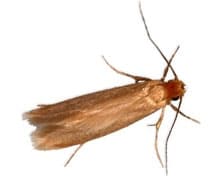
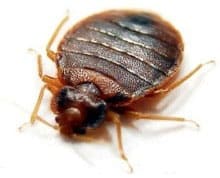
Pests such as Mice, Rats and Cockroaches can spread diseases by carrying harmful pathogens. Pests like wasps, bedbugs and fleas frequently cause stress and allergies by their presence in the human environment. Squirrels, Rats and Mice can damage properties by gnawing through timbers and wires with their strong rodent teeth. Mice can contaminate working surfaces and food stuffs. Carpet pests including The Common Clothes Moth can cause expensive damage to fabrics. Bird pests including pigeons can cause diseases including Cryptococcosis.
We will prevent, control and solve your pest control emergency. Whether it’s a Squirrel in the attic in Ealing, Wasp nest removal in Wimbledon, a Mouse infestation in Mortlake or a Rat Problem in Richmond, we’ll make sure we leave your home a pest free zone.
Ants
Cockroaches
Flies
Moths
Pigeons
Bedbugs
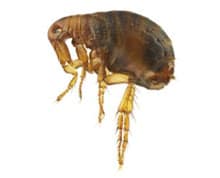
Fleas
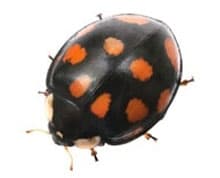
Harlequin Ladybirds
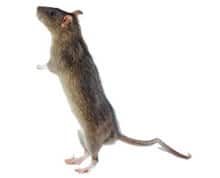
Rats

Squirrels
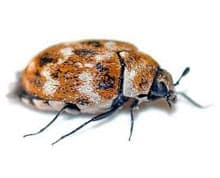
Carpet Beetles

Foxes
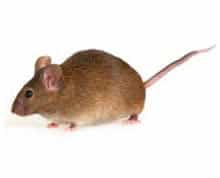
Mice

Silverfish
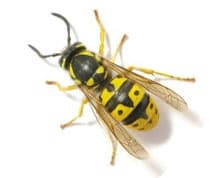
Wasps
Retail Sites
-
1. What are the most common pests found in retail premises in London?
The most common pests encountered in retail environments across London include rats, mice, cockroaches, flies, stored product insects (such as beetles and moths), and pest birds, particularly pigeons. Retail businesses in London can experience pest issues due to food handling, waste storage, customer footfall, and nearby commercial activity. These pests can damage stock, contaminate products, and negatively impact a retailer’s reputation.
-
2. How often should a retail site in London have pest control inspections?
The recommended inspection frequency for retail premises in London depends on the type of operation and its level of risk. Food retailers in London typically benefit from monthly inspections, while lower-risk retail sites may only require quarterly visits. A professional pest control provider serving London can recommend an inspection schedule based on a site-specific risk assessment.
-
3. Are retailers in London legally required to have a pest control contract?
There is no universal legal requirement for retailers in London to hold a pest control contract. However, businesses must take appropriate steps to prevent pest infestations and maintain safe, hygienic premises. For food retailers throughout London, a documented pest management programme is considered best practice and is often expected by auditors, insurers, and environmental health officers.
-
4. What happens if pests are found during an inspection in London?
If pest activity is identified at a retail site in London, a pest control technician will determine the species involved, assess the extent of the infestation, identify likely entry points and contributing factors, and implement suitable treatment measures. Businesses in London will also receive recommendations to help prevent future infestations, including proofing works, housekeeping improvements, and ongoing monitoring.
-
5. How can retail businesses in London prevent pest infestations?
Effective pest prevention for retailers in London starts with good housekeeping and regular monitoring. Businesses should ensure waste is managed correctly, stock is stored appropriately, potential entry points are sealed, and any signs of pest activity are reported promptly. Regular professional pest inspections in London can help identify risks before they develop into costly infestations, helping to protect customers, staff, stock, and business reputation.
Request a consultation – Fill out the form below or call us on 020 8878 6915
"*" indicates required fields
