

Comprehensive Pest Control for Swimming pools in SE3
Pest control is a critical and continuous concern for swimming pools in SE3. The distinctive environment of swimming pool venues—characterized by large facilities, wet zones such as swimming pools or showers, frequent food and beverage service, and substantial foot traffic—makes these sites particularly vulnerable to a variety of pests. Pest activity in a swimming pool facility can cause major health and safety risks, property damage, and, most importantly, lasting harm to a brand’s public image in SE3.
RSPH/BPCA certified staff means we provide a safe and professional pest control service
Key Pest Threats in Swimming pool Environments
The main pests that affect swimming pools in SE3 are drawn by the atmosphere and the operations of these venues:
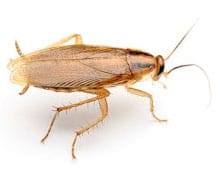
Cockroaches
- Thrive in humid areas such as shower rooms, locker rooms, and food courts.
- Hide in gaps and behind equipment or lockers.
- Contaminate surfaces, food, and equipment, transmitting pathogens that threaten health and hygiene standards.
Rodents (Rats and Mice)
- Attracted to food waste in cafeterias, vending areas, and waste bins.
- Can damage electrical wiring, equipment, and building materials, creating inventory loss.
- Leave droppings and urine, contaminating facilities and presenting serious health risks.
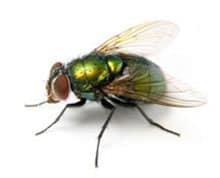
Flies
- Drawn to food waste in kitchens, snack bars, and changing facilities.
- Spread bacteria by landing on food, surfaces, and equipment.
- Cause nuisance for guests and staff.
Ants
- Seek out sugary foods and moisture, often invading cafeterias, vending areas, and around pools.
- Can contaminate food and be difficult to eradicate once established.
Stored Product Insects (SPIs)
- Infest stored snacks, protein bars, health foods, and vending stock, causing financial loss.
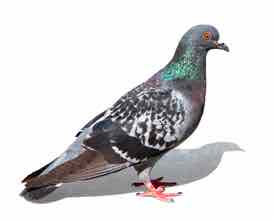
Birds
- Pigeons and other birds may roost near entrances, roofs, or air conditioning units, causing mess, noise, and slip hazards with droppings.

Proactive and Discreet Pest Control Strategy for swimming pools in SE3
The most reliable pest management approach for swimming pools in SE3 is a integrated, forward-thinking, and low-profile strategy based on Integrated Pest Management (IPM).
Strict Sanitation and Housekeeping
- Meticulous Cleaning: All areas—poolside, changing rooms, gyms, studios, cafeterias—must be cleaned thoroughly and frequently, with special attention to wet and food service areas.
- Immediate Spill Response: Food, drink, and water spills should be wiped immediately to prevent attracting pests.
- Waste Management: Food and general waste must be stored in sealed containers. Bins should be emptied frequently, and waste areas kept clean and away from guest access.

Exclusion and Proofing
- Seal Entry Points: All gaps in exterior walls, floors, and around service penetrations must be closed to prevent pest entry.
- Properly Maintained Doors: Access doors, especially to pool areas, kitchens, and storage, should have tight seals and be kept closed when not in use.
- Drainage and Moisture Control: Keep drains well maintained and promptly fix leaks to reduce breeding sites for cockroaches and flies.
Monitoring, Surveillance, and Professional Partnership
- Strategic Monitoring: A professional pest control partner should install monitoring devices in kitchens, changing rooms, storage, and waste zones.
- Routine Inspections: Scheduled, systematic inspections by a qualified technician are essential to check monitoring devices, look for pest activity, and offer recommendations.
- Staff Training: All staff should be trained to identify signs of pests and report sightings immediately for rapid response.

Rapid and Discreet Response
- Quick Action: With high guest turnover, a swimming pool in SE3 must have a pest control partner able to respond rapidly to issues.
- Discreet Service: Pest control should be carried out as unobtrusively as possible, using unmarked vehicles and scheduling during closed hours.
- Incident Response Plan: The facility should have a clear plan for pest incidents, including communication steps.
Reputational and Financial Consequences in swimming pools in SE3
- The consequences of inadequate pest control in a swimming pool in SE3 can be damaging:
- Negative Publicity: A pest sighting by a member or guest can damage your image on social media, affecting reputation.
- Lost Revenue: Infestations can result in area shutdown, directly impacting revenue and membership renewals.
- High Costs: Emergency treatments and loss of business from severe infestations can be extremely expensive.
- Legal or Regulatory Action: Health and safety authorities may enforce corrective actions if pest control standards aren’t met.
The Value of Professional Pest Management for swimming pools in SE3
Investing in a specialist pest management program allows swimming pool operators in SE3 to:
- Preserve their brand and reputation
- Ensure a welcoming environment for members, staff, and guests
- Meet all health, safety, and legal requirements
- Prevent costly infestations and operational disruptions
- Demonstrate due diligence to insurers, members, and stakeholders
A robust pest control strategy is not just about compliance—it is a critical part of operational stability for every swimming pool in SE3.
Members of the BPCA and PROMPT
The Pest Technician visiting your home or business will be RSPH/BPCA (Royal Society For Public Health / British Pest Control Association) qualified. Indigo Pest Control are members of the BPCA (British Pest Control Association).
The Pest Controller visiting your home or business will have BPCA – Photo I.D.
The Pest Control Specialists
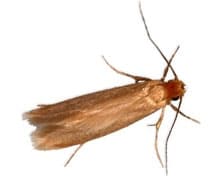
Pests such as Mice, Rats and Cockroaches can spread diseases by carrying harmful pathogens. Pests like wasps, bedbugs and fleas frequently cause stress and allergies by their presence in the human environment. Squirrels, Rats and Mice can damage properties by gnawing through timbers and wires with their strong rodent teeth. Mice can contaminate working surfaces and food stuffs. Carpet pests including The Common Clothes Moth can cause expensive damage to fabrics. Bird pests including pigeons can cause diseases including Cryptococcosis.
We will prevent, control and solve your pest control emergency. Whether it’s a Squirrel in the attic in Ealing, Wasp nest removal in Wimbledon, a Mouse infestation in Mortlake or a Rat Problem in Richmond, we’ll make sure we leave your home a pest free zone.
Ants
Cockroaches
Flies
Moths
Pigeons
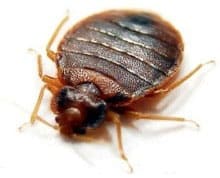
Bedbugs
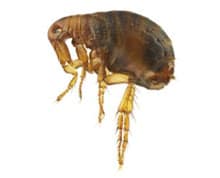
Fleas
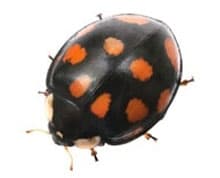
Harlequin Ladybirds
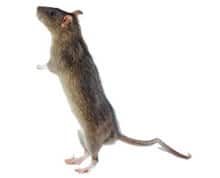
Rats

Squirrels
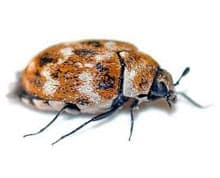
Carpet Beetles
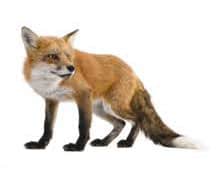
Foxes
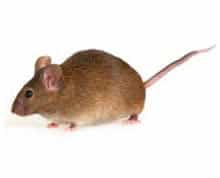
Mice

Silverfish
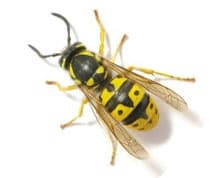
Wasps
Leisure Centre
-
How will you manage pests in all the different environments within our SE3 facility (e.g., café, gym, swimming pool, changing rooms)?
Swimming pool have diverse risk areas. A professional pest control provider should offer a tailored plan that addresses each environment, including:
- Café/Food Areas: A strict, proactive approach focused on sanitation and monitoring for pests like rodents, flies, and cockroaches.
- Changing Rooms/Wet Areas: A focus on moisture control and treating for pests attracted to damp environments, such as cockroaches.
- Gym/Sports Halls: Regular inspections and monitoring for pests, with an emphasis on keeping all areas clean and tidy.
Storage Areas: Targeted treatments for pests like rodents and spiders that seek shelter in quiet, undisturbed areas.
-
What is your strategy to ensure your services are discreet and do not disrupt our members or visitors?
Discretion is key to protecting a brand’s reputation. Establishing a clear communication protocol with the facility manager so that all staff are aware of when and where the pest control team is working.
Provide a rapid, discreet response for any pest sighting reported during operating hours.
-
What kind of documentation and reporting will you provide for our health and safety audits?
Leisure centres must comply with strict health and safety regulations. A professional pest control company should provide comprehensive digital reports.
An up-to-date site map showing all monitoring device locations.
Service reports after every visit, outlining findings, actions taken, and recommendations.
Trend analysis reports that help the management team identify and address long-term pest vulnerabilities.
-
How will you work with our team to help prevent pests in the future?
An effective pest control program is a collaborative effort. A good pest control partner will:
- Provide training for staff on proper sanitation, waste management, and pest identification.
- Make recommendations for continuous improvements to the facility’s infrastructure and housekeeping.
- Collaborate on a shared strategy that combines professional expertise with on-site vigilance to ensure a pest-free environment.
-
Can you provide a preventative program, and what is the cost of a long-term contract for our SE3 location?
A reactive, “call-out only” service is insufficient for a busy facility. A professional pest control company will implement a proactive Integrated Pest Management (IPM) program. While a preventative contract has a regular fee, it is generally more cost-effective in the long run than paying for multiple emergency call-outs and dealing with the potential loss of revenue and reputation from an infestation. They will provide a detailed quote after a full inspection.

Request a consultation – Fill out the form below or call us on 020 8878 6915
"*" indicates required fields
