

![pest control for [search terms] in London](https://spcdn.shortpixel.ai/spio/ret_img,q_cdnize,to_webp,s_webp/www.indigopestcontrol.co.uk/wp-content/uploads/2021/07/indigo-pest-control-specialists-mobiles.jpg "pest control for [search terms] in London")
Pest Control for Theatres in London
Pest control is an absolutely essential function in the theatre industry in London, which includes cafes. The presence of pests can cause significant financial damage, harm your public image, result in lawsuits or fines, and pose serious health risks to patrons and staff.
RSPH/BPCA certified staff means we provide a safe and professional pest control service

Key Possible Pest Threats for Theatres
The main pests that invade theatres in London are attracted by the
environment and the nature of these venues:
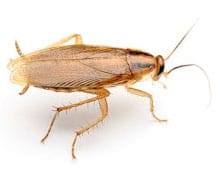
Cockroaches
- Arguably the most common and resilient threat.
- Thrive in the humid environments of concession stands, behind the scenes, and in staff areas.
- Hide easily in cracks and behind equipment.
- Major hygiene threat as they can transmit pathogens through surfaces and food.
Rodents (Rats and Mice)
- Attracted to discarded snacks in auditoriums and lobbies.
- Can gnaw through electrical wiring, creating a fire hazard.
- Cause inventory loss and contaminate food and seating areas with droppings and urine.
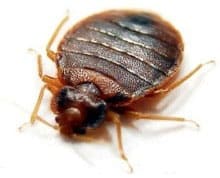
Bed Bugs
- A increasing problem in theatre is due to high patron turnover.
- Expert hitchhikers, travelling on the clothing of audience members.
- Hide in crevices of theatre seats and feed while patrons are stationary during shows.
- A single sighting or complaint can trigger a massive reputational crisis in London.
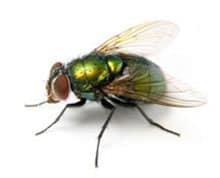
Flies
- Attracted to food waste, especially near concession stands and bars.
- Serve as a nuisance and vector for bacteria.
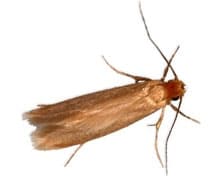
Moths and Stored Product Insects (SPIs)
- Moths damage expensive fabric furnishings such as curtains.
- SPIs – Stored Product Insects, such as beetles, can infest and spoil snack stock in storage rooms or hidden food-based spillages between seats.

Proactive and Discreet Pest Control Strategy for theatres in London
The most effective pest management strategy for theatres in London
is a comprehensive, proactive, and
discreet approach based on Integrated Pest Management (IPM).
Strict Sanitation and Housekeeping
-
Thorough Cleaning: Auditoriums, lobbies, and restrooms must be
cleaned meticulously after every showing or event—not just swept, but
detailed to remove all crumbs, food debris, and litter from floors,
aisles, and between seats. -
Immediate Spill Response: All spills of food and drink must be
wiped immediately to prevent attracting pests. -
Waste Management: Food waste and trash should be stored in
sealed containers, with bins emptied frequently throughout the day.
Dumpster and waste storage areas must remain organized and situated away from the
main building when possible.
Exclusion and Proofing
-
Seal Entry Points: All gaps in walls, floors, and foundations
of the theatre in London should be sealed to prevent pest entry. -
Properly Sealed Doors: All doors leading to the outside—especially at
emergency exits—should be fitted with door sweeps and kept
closed when not in use. -
Drainage Maintenance: Ensure all drains are kept
clean and in good repair, as they are potential breeding grounds for
flies and entry points for cockroaches.
Monitoring, Surveillance, and Professional Partnership
-
Strategic Monitoring: A professional pest control company should place
bait stations in key risk areas: concession stands, storage
rooms, auditoriums, back-of-house corridors, and staff areas. -
Routine Inspections: Scheduled, regular inspections by a
qualified technician are essential to check monitoring devices, search for new signs of pest
activity, and offer proactive recommendations. -
Employee Training: All staff should be trained to
recognize the signs of pest activity and to report any sightings immediately,
ensuring a swift organizational response.
Rapid and Discreet Response
-
Quick Action: Given the risk of public sightings, every theatre in
London must have a pest control partner who can
intervene fast when an issue is reported. -
Discreet Service: Pest control should be conducted as
discreetly as possible, using unmarked vehicles and scheduling visits
during closed hours to avoid alarming patrons. -
Incident Response Plan: Every theatre should have a clear, written plan
for pest events, detailing who to contact, steps for containment (such as
closing off affected sections), and communication protocols.

Reputational and Financial Consequences for Theatres in London
The consequences of inadequate pest management in a
theatre in London can be major:
-
Negative Publicity: A single pest sighting by a patron can
spread rapidly on social media, harming your brand’s
reputation for years. -
Lost Revenue: A major infestation may
require temporary closure of a theatre or entire
venue for treatment, resulting in direct loss of ticket and concession sales. -
High Costs: Emergency pest treatments for widespread
infestations—including fumigation and lost business—can be
very expensive.

Why Invest in Professional, Preventive Pest Management for theatres in London?
By investing in a specialist,
preventative, and
discreet pest control program,
theatre operators in London can:
- Safeguard their business, brand, and reputation
-
Ensure every patron enjoys a
comfortable experience -
Avoid fines
from health and safety authorities -
Minimize the risk of
business interruption -
Demonstrate
responsible management
to stakeholders, staff, and customers
A robust pest control strategy is not just about compliance—it is a core pillar
of operational success for every theatre in London.
Members of the BPCA and PROMPT
The Pest Technician visiting your home or business will be RSPH/BPCA (Royal Society For Public Health / British Pest Control Association) qualified. Indigo Pest Control are members of the BPCA (British Pest Control Association).
The Pest Controller visiting your home or business will have BPCA – Photo I.D.
The Pest Control Specialists
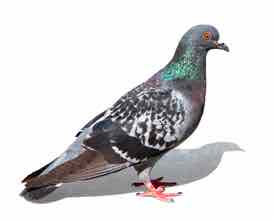
Pests such as Mice, Rats and Cockroaches can spread diseases by carrying harmful pathogens. Pests like wasps, bedbugs and fleas frequently cause stress and allergies by their presence in the human environment. Squirrels, Rats and Mice can damage properties by gnawing through timbers and wires with their strong rodent teeth. Mice can contaminate working surfaces and food stuffs. Carpet pests including The Common Clothes Moth can cause expensive damage to fabrics. Bird pests including pigeons can cause diseases including Cryptococcosis.
We will prevent, control and solve your pest control emergency. Whether it’s a Squirrel in the attic in Ealing, Wasp nest removal in Wimbledon, a Mouse infestation in Mortlake or a Rat Problem in Richmond, we’ll make sure we leave your home a pest free zone.
Ants
Cockroaches
Flies
Moths
Pigeons
Bedbugs
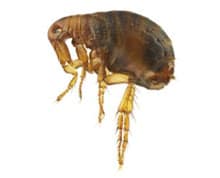
Fleas
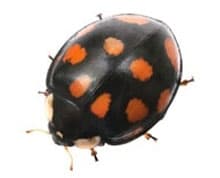
Harlequin Ladybirds
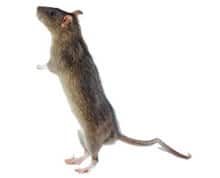
Rats

Squirrels
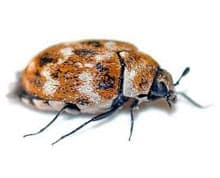
Carpet Beetles
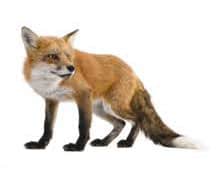
Foxes
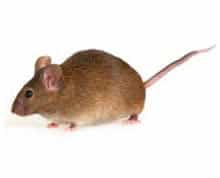
Mice

Silverfish
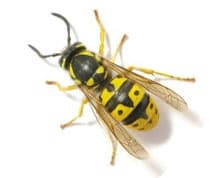
Wasps
Pest Control FAQs for theatres in London
For theatres in London, effective pest control is essential for protecting customers, staff, hygiene standards, and venue reputation. As a British Pest Control Association (BPCA) member company, we provide professional pest management solutions designed for busy public-facing environments.
Theatres
-
What are the most common pests found in theatres in London?
The most common pests affecting theatres in London include:
* **Mice and rats** — attracted by food waste, storage areas, kitchens, and delivery points
* **Cockroaches** — commonly associated with food preparation areas, bars, and warm hidden spaces
* **Flies** — particularly around cafés, bars, kitchens, and waste areas
* **Stored product insects** — where food products and supplies are stored
* **Birds** — often found around entrances, roofs, loading areas, and external areasDue to high footfall, food service operations, and multiple access points, [search term] in London can face increased pest risks without a proactive management plan.
-
How can theatres in London prevent pest problems?
The best way to prevent pest issues is through a combination of good housekeeping and professional pest management.
Recommended measures include:
* Regular pest inspections
* Identifying and sealing potential entry points
* Effective waste management
* Maintaining clean food and beverage areas
* Managing spillages quickly
* Keeping storage areas organised
* Monitoring vulnerable areas such as kitchens, bin stores, and delivery zonesA planned pest control programme helps identify risks before they become visible problems for customers and staff.
-
How quickly can a pest problem affect a theatre’s reputation in London?
A pest sighting can have an immediate impact on reputation. Customers visiting theatre in London expect a clean, safe, and professional environment.
A single pest incident may result in:
* Customer complaints
* Negative online reviews
* Social media posts
* Hygiene concerns
* Increased attention from regulatorsProfessional pest prevention helps protect your venue, brand, and customer confidence
-
Are theatre in London responsible for pest control compliance?
Yes. Businesses and public-facing premises have a responsibility to maintain hygienic environments and manage pest-related risks, particularly where food and drink are prepared, stored, or sold.
A professional pest management company can support compliance through:
* Site surveys
* Risk assessments
* Monitoring systems
* Service reports
* Recommendations for proofing and prevention -
How often should a theatre in London have pest control visits?
The recommended frequency depends on factors such as:
* Business size
* Number of visitors
* Food and drink facilities
* Building design
* Location
* Previous pest activityMany high-footfall environments benefit from regular scheduled pest inspections rather than relying on reactive treatments after a problem appears.
-
Can pest control work be carried out without disrupting customers at theatre in London?
Yes. Professional pest control services can usually be planned around opening hours, customer activity, cleaning schedules, and deliveries to minimise disruption.
A discreet approach allows inspections and treatments to be completed while maintaining a positive customer experience.
Request a consultation – Fill out the form below or call us on 020 8878 6915
"*" indicates required fields
